Webinar

SITC Thumbnail v2

T.I.M.E and Space to Predict Response in Immuno-Oncology

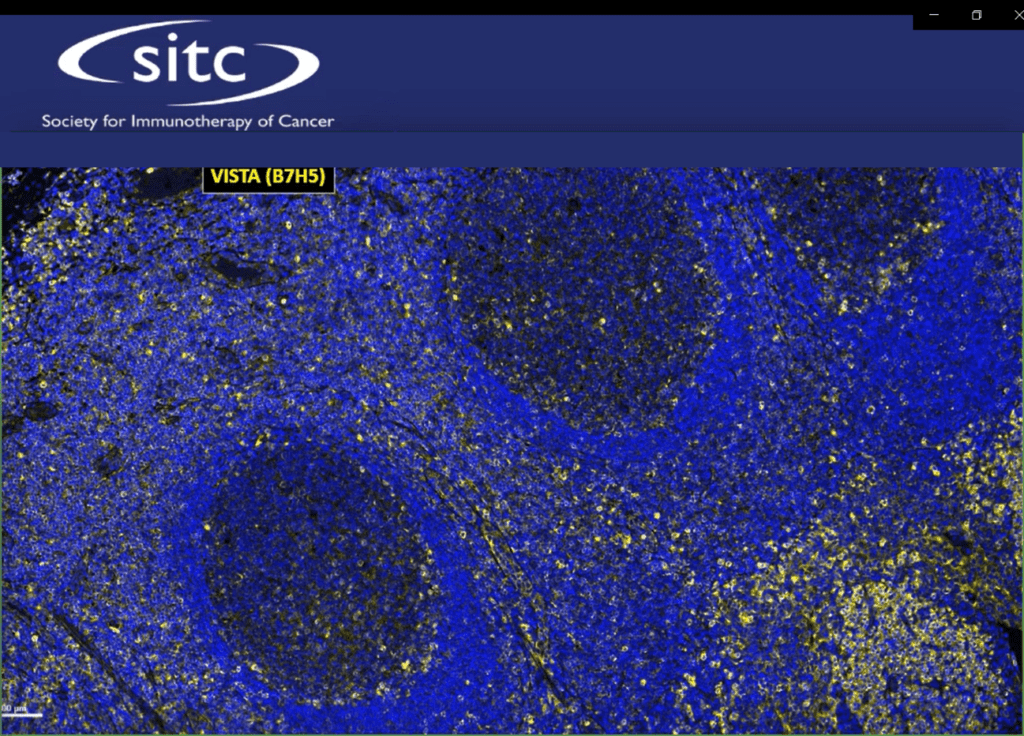
In this talk, Dr. Alexander “Sandy” Borowsky will share preliminary results of an ongoing biomarker discovery study on breast cancer cohorts, including those participating in the I-SPY 2 trial, and how the in situ analysis of the tumor microenvironment is critical to understanding immunotherapy response. The I-SPY 2 trial: Neoadjuvant and Personalized Adaptive Novel Agents to Treat Breast Cancer was launched by UCSF in collaboration with a private-public partnership to improve efficiency of breast cancer clinical trials and streamline the development of new drugs. Breast cancers, overall, infrequently respond to immunotherapy. And immunotherapies, which harness the immune system to fight cancer, are being used in the early high-risk treatment setting. However, individual tumors show dramatic variation in patterns of the tumor immune microenvironment (TIME) with both immune “cold” and inflamed phenotypes. We hypothesized that the TIME pattern might predict responses to immunotherapy and/or prognosis/outcomes. We examined the TIME of high-risk invasive breast cancer and high-risk non-invasive ductal carcinoma in situ (DCIS), hypothesizing that immune evasion might be one of the critical steps in progression of DCIS to invasive carcinoma. Leveraging current clinical trials, we have performed gene expression analyses (bulk) and multiplexed-immunohistochemistry (mIHC). We have optimized two 7-color assay panels using the Opal detection and artificial intelligence-assisted image analysis to provide specific cell segmented assignment of location and applied proximity analyses for cell-cell interaction assessment. These data show distinct differences in the TIME and reveal predictions of early response.

T.I.M.E and Space to Predict Response in Immuno-Oncology Read More »
Webinar Thumbnail

How Autofluorescence Reduction can Improve Your CODEX Workflow

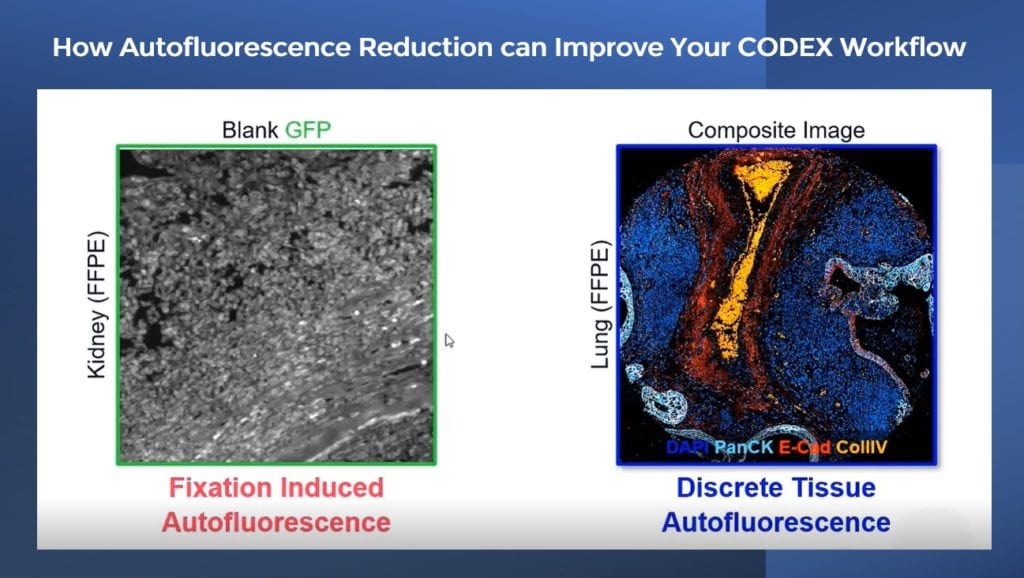
Autofluorescence is a well-known problem associated with multiplex imaging applications, including PhenoCycler (formerly CODEX). We demonstrate a simple autofluorescence reduction method that integrates readily into the CODEX workflow. The protocol improves CODEX imaging data and streamlines antibody panel design by enabling more reliable use of low wavelength fluorophores, such as Alexa 488.

How Autofluorescence Reduction can Improve Your CODEX Workflow Read More »

webinar thumbnail astropath

Astronomy Meets Pathology: An interdisciplinary effort to discover predictive biomarker signatures for immuno-oncology

An innovative platform, called AstroPath, has been developed to analyze large multiplex immunofluorescence (mIF) datasets using celestial object–mapping algorithms to rapidly identify optimized predictive phenotypic signatures. In this webinar, Dr. Janis Taube and Dr. Alexander S. Szalay from Johns Hopkins describe how the AstroPath technology was conceived and developed, share successes applying AstroPath to answering questions about tumor microenvironment-immune system interactions, and provide preliminary results of comparisons across different institutions to assess mIF assay performance.

Astronomy Meets Pathology: An interdisciplinary effort to discover predictive biomarker signatures for immuno-oncology Read More »

EMEA UGM CODEX Thumbnail

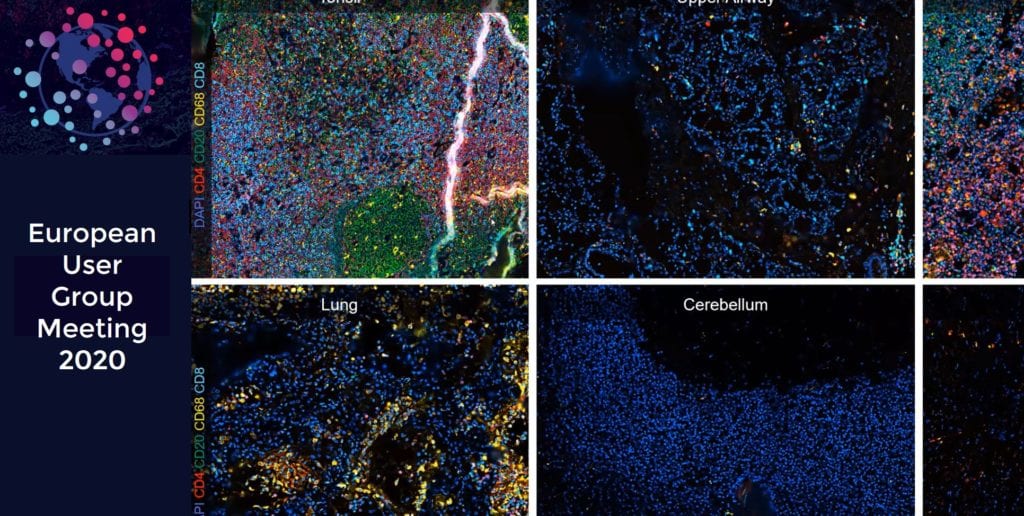
European User Group Meeting 2020 | CODEX Research Focus

This session covered how researchers are using spatial biology to uncover new biological insights as well as a focus on the CODEX technology and how it will impact your work. This video from the webinar, contains a review of the CODEX technology and how it is used in spatial biology including work on COVID19 and a customer talk on how they have used CODEXs in their work and as a service to others in the academic community as a Core lab service.

European User Group Meeting 2020 | CODEX Research Focus Read More »

EMEA UGM Biomarker Thumbnail

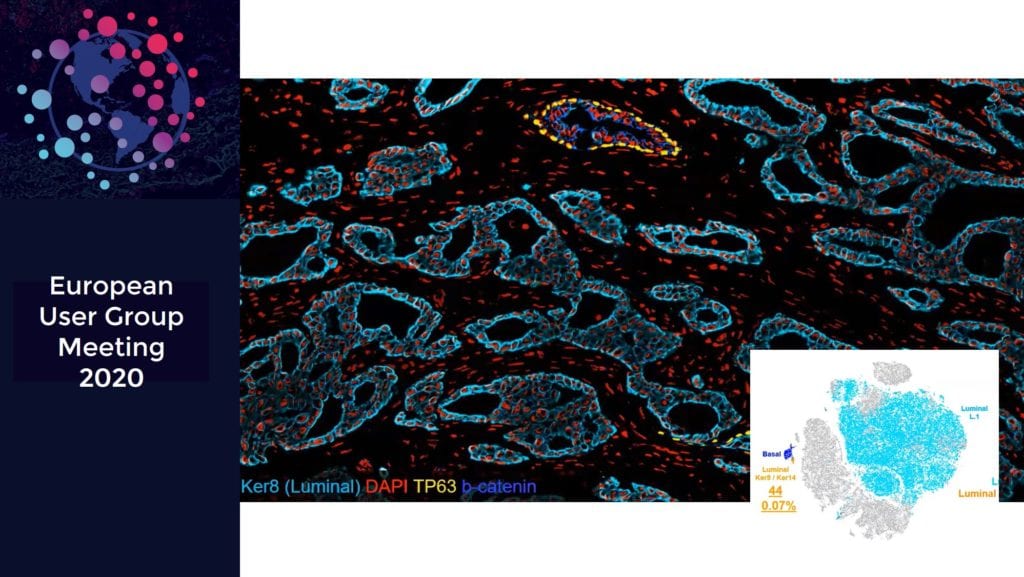
European User Group Meeting 2020 | Biomarker Research Focus

This session covered how researchers are using spatial biology to uncover new biological insights as well as the latest innovations from Akoya and how they will impact your work. This video from the webinar, contains a review of the Akoya platforms and how they are used in spatial biology and a customer talk on how they have used Akoya’s platforms in their work on human lung tuberculosis granulomas. A high-level review of selected publications with a focus on how the Akoya platforms can be used on studies beyond immuno-oncology is included.

European User Group Meeting 2020 | Biomarker Research Focus Read More »

webinar thumbnail nolan cell neighborhoods

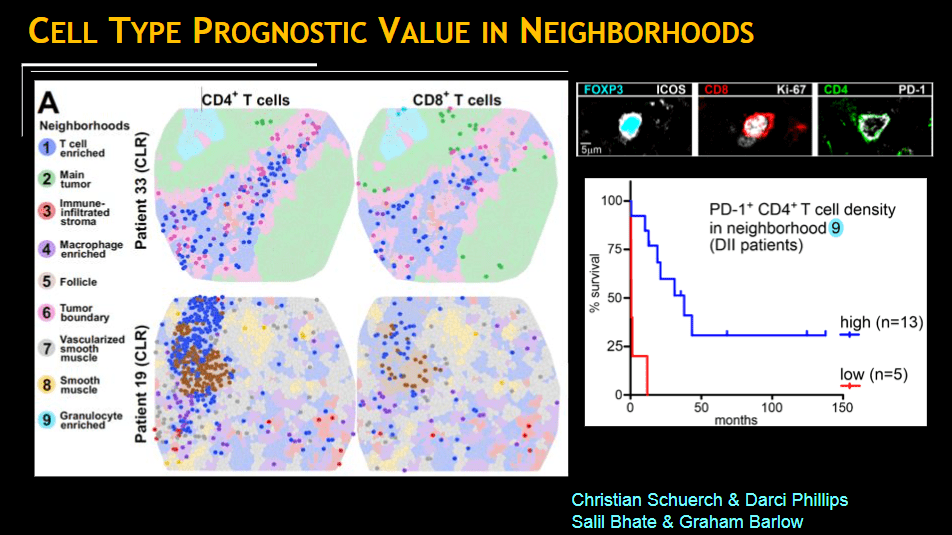
The Tumor Neighborhood Watch: How Spatial Architecture and Cellular Neighborhoods Correlate to Colorectal Cancer Outcomes

Dr. Garry Nolan and his team at Stanford University collaborated with the University of Bern to conduct deep single-cell phenotyping and spatial analysis on a cohort of colorectal cancer formalin-fixed, paraffin-embedded samples using the CODEX. In this webinar, Dr. Nolan discusses the findings from the study and presents an analytical framework to analyze high-dimensional imaging data that can reveal new insights into how the tumor microenvironment is organized.

The Tumor Neighborhood Watch: How Spatial Architecture and Cellular Neighborhoods Correlate to Colorectal Cancer Outcomes Read More »

EMEA UGM Research Thumbnail

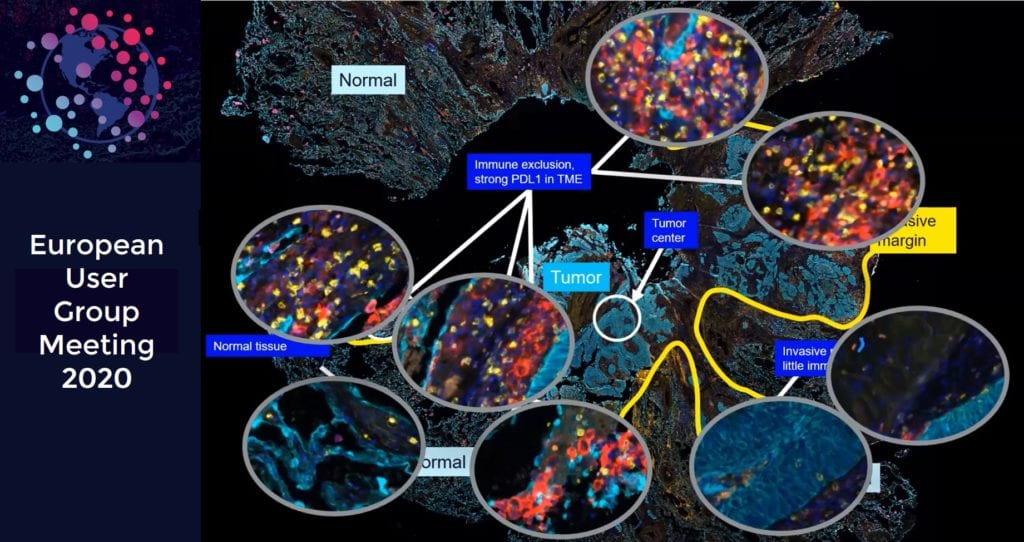
European User Group Meeting 2020 | Immuno-Oncology Research Focus

This session covered how researchers are using spatial biology to uncover new biological insights as well as the latest innovations from Akoya and how they will impact your work. This video includes both customer talks on how they have used Akoya’s platforms in their immune-oncology work and a high-level discussion of the impact of spatial biology on current research and its promise for future work.

European User Group Meeting 2020 | Immuno-Oncology Research Focus Read More »

Thumbnail Picture for Neuro Showcase v1

Showcase for Neuroscientists

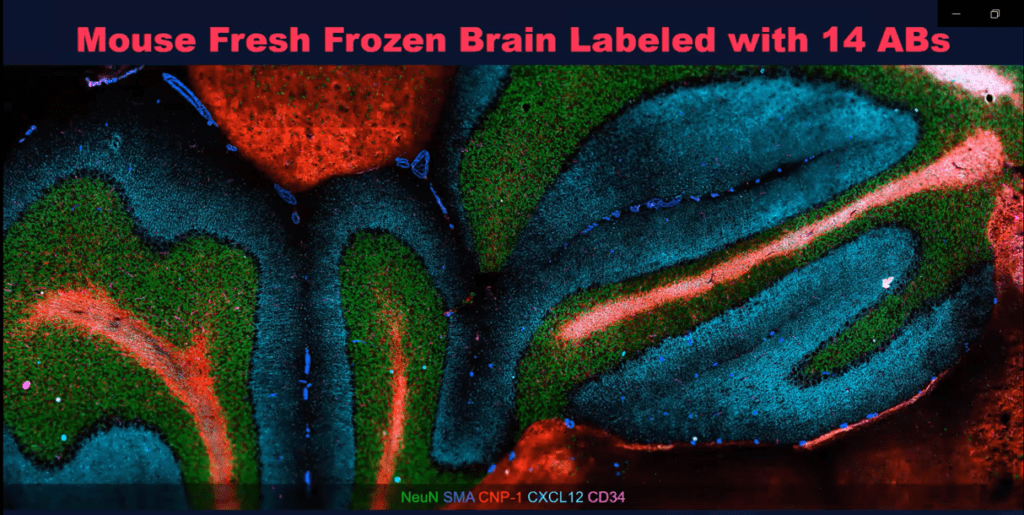
Neuroscience forum with Akoya’s neuroscientists Agnes Haggerty, PhD, Technical Applications Scientist, Najiba Mammadova, PhD, Reagent Sales Specialist and Oliver Braubach, PhD, Senior Manager Applications. Discussions on how multispectral analysis can impact neuroscience research by studying the spatial relationships between cells and tissue types using a large number of biomarkers simultaneously and how the Akoya platform mitigates the confounding effects of autofluorescence. A closer review of how to use the Opal staining platform to study any biomarker and how the CODEX platform can support ultra-high plex analysis with 25 or more biomarkers at once.

Showcase for Neuroscientists Read More »

Innate Pharma Webinar Thumbnail v1

Association of COVID-19 inflammation with activation of the C5a-C5aR1 axis

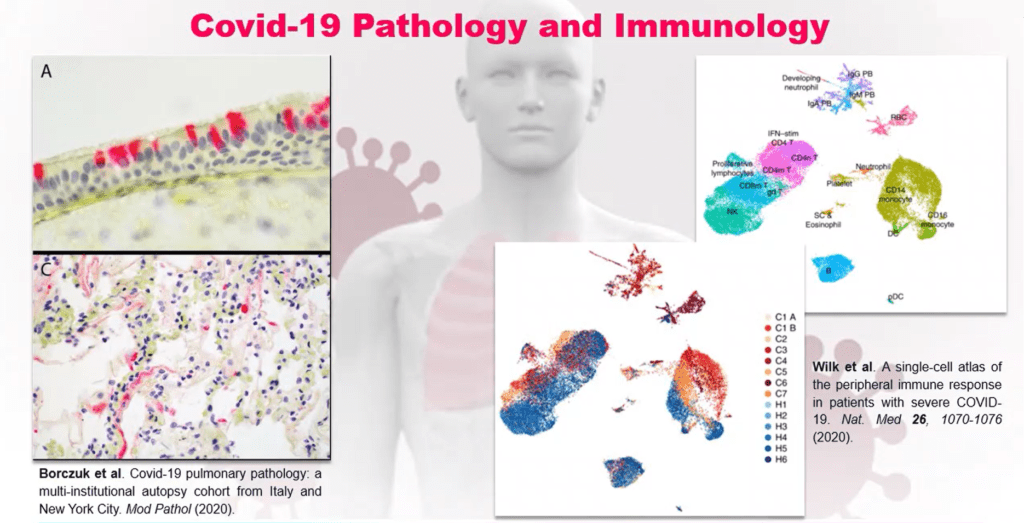
Coronavirus disease 2019 (COVID-19) is a new pandemic disease caused by infection with severe acute respiratory syndrome coronavirus 2 (SARS-CoV-2). A multi-institutional exploratory research taskforce, named EXPLORE COVID-19, conducted a longitudinal analysis of immune responses of patients at various stages of COVID-19 severity. The goal of the study, which also included a team from Innate Pharma, was to gain translational insights to better understand the immune response in COVID-19 patients and identify potential targets to fight the viral infection. During this webinar, Dr. Remark will provide an overview of the study methodology. Thereafter, he will focus on the C5a-C5aR1 axis and explain its role in the pathophysiology of acute respiratory distress syndrome. This was done by using several techniques, including multiplexed immunohistochemistry. Together, the data support C5a-C5aR1 axis blockade as a means of limiting myeloid cell infiltration in damaged organs and preventing the excessive lung inflammation and endothelialitis in COVID-19 patients. The results from this study were applied to an ongoing COVID-19 clinical trial.

Association of COVID-19 inflammation with activation of the C5a-C5aR1 axis Read More »